
Serial premiered in 2014 and changed what podcasts could do. By week eight, it was the fastest podcast to reach 5 million downloads in iTunes history. It also put a real man's case before a mass audience and triggered an actual legal appeal.
That was eleven years ago. The podcast ecosystem around criminal law has expanded dramatically since — from true crime storytelling to practitioner-led analysis to court-adjacent coverage of active cases. The effect on how the public understands, judges, and thinks about criminal cases is significant and still evolving.
For the practical perspective on what actually happens inside a courtroom, see our guide on 5 lessons from top defense attorneys for courtroom protection.
Not all legal podcasts operate the same way or produce the same effects on public perception.
True crime narrative podcasts (Serial, Criminal Attorney, Court TV Podcast) prioritise storytelling. They humanise defendants, present investigative failures, and often argue implicit or explicit innocence claims. Their audience is broad, emotionally engaged, and often has no prior relationship with the legal system.
Practitioner-led analysis podcasts (For the Defense by David Oscar Markus, Criminal Law Unfiltered by Robert Helfend, The Criminal Docket from NACDL) prioritise accuracy. They explain legal strategy, challenge media narratives, and educate both the public and the legal community. Their audience is smaller but more legally literate.
Case-adjacent coverage (Courtroom Confidential by Joshua Ritter, Crime Weekly) follows active trials in real time, often with daily updates. This category has the most direct potential to affect public opinion during an active case — and the most complicated relationship with fair trial principles.
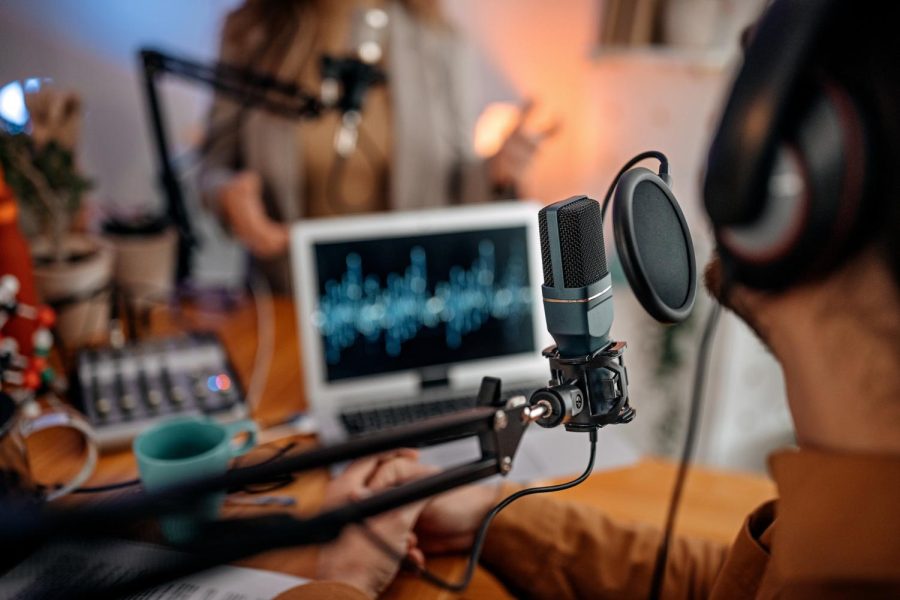
High-profile podcast coverage can undermine the presumption of innocence before a jury is seated — but it can also work in reverse. The Serial effect demonstrated that sustained, empathetic audio storytelling could shift a case from "obviously guilty" in public consciousness to genuinely uncertain.
Defense attorneys now monitor podcast coverage as part of case strategy, particularly in cases where jury pools may have absorbed a narrative before voir dire begins.
Podcasts have been uniquely effective at surfacing patterns of wrongful conviction that individual case coverage misses. Shows hosted by criminal defense investigators and public defenders have examined:
The Wrongful Conviction podcast (which features exonerees including Amanda Knox and Brian Banks) has created a lay understanding of these issues that has influenced public support for conviction review units in several states.
The legal profession is genuinely divided on whether true crime podcast popularity creates prejudiced jury pools or more sophisticated ones. The arguments:
For contamination: Jurors who have absorbed detailed coverage of a similar case may arrive with fixed frameworks. They may believe they understand forensic evidence, police procedure, or legal standards from podcast education that is, at best, simplified.
For sophistication: Jurors who have listened to quality legal analysis podcasts may be better equipped to understand reasonable doubt, evaluate expert testimony, and resist emotional appeals in closing arguments.
Several cases in the US and UK have seen podcast coverage directly cited in:
This is a new form of journalism-adjacent advocacy that the legal profession is still developing frameworks to address.

What makes practitioner-hosted podcasts distinctly valuable is the absence of incentive to oversimplify. When a working criminal defense attorney hosts a show about criminal defense — rather than a journalist or producer — the editorial choices are different.
The For the Defense podcast sits in this tradition: case analysis grounded in how courtrooms actually work, not how they're dramatised. The guests include lawyers who have represented former presidents, high-profile defendants, and ordinary people facing the most consequential moments of their lives.
As of 2026, there are more than 35 active criminal defense podcasts in the US alone. AI tools are beginning to be integrated into legal education podcasting — summarising discovery, analysing juror questionnaires, and tracking case developments in real time.
The direction of travel is toward more substantive, practitioner-informed content — and away from pure true crime narrative. The audience has matured. Listeners who discovered podcasting through Serial are now twelve years more experienced with the format and increasingly demand accuracy alongside story.