
Criminal defense attorneys spend years inside courtrooms that most people will only ever see on television. The gap between the scripted drama of legal TV and the reality of a criminal trial is enormous — and that gap can cost defendants their freedom.
The best criminal defense attorneys — veterans with decades in state and federal cases — share a consistent set of principles that separate effective courtroom advocacy from ineffective representation. These five lessons apply whether you're a defendant trying to understand your rights, a law student, or someone who simply follows high-profile cases — and they're at the heart of what For the Defense podcast explores every episode.
Most jurors arrive in a courtroom with a vague sense that "beyond a reasonable doubt" means the prosecution needs to be very sure. Top defense attorneys know this passive understanding is not enough.
The most effective defense teams don't leave the reasonable doubt standard to chance — they define it concretely through:
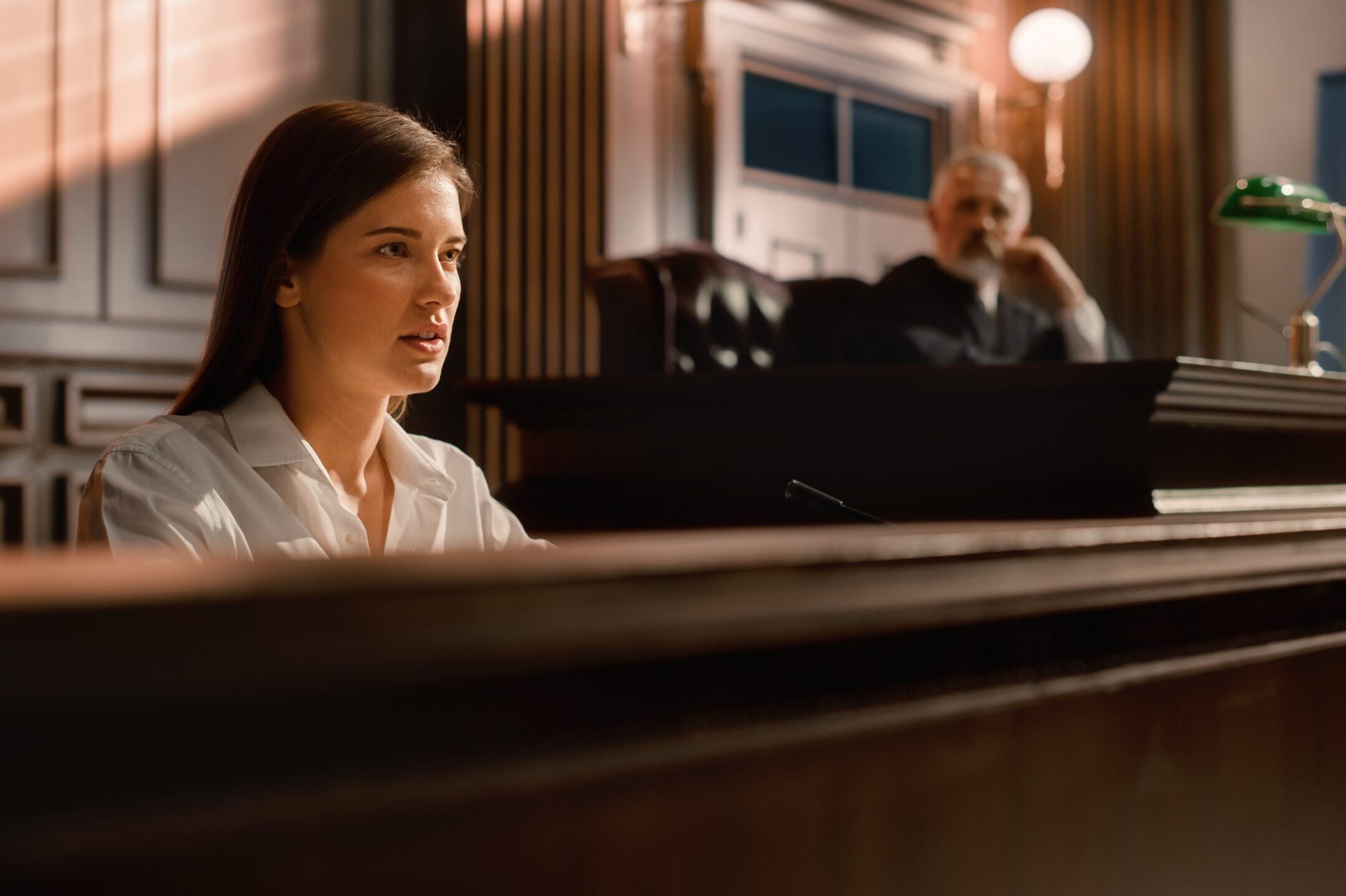
Prominent attorneys like Mark Geragos have built careers on making juries feel the weight of what "reasonable" actually means. When a prosecution case rests on a single witness identification or circumstantial evidence, forcing the jury to confront that uncertainty is often the whole game.
Every experienced criminal defense attorney will say the same thing: what a defendant does — and says — in the hours immediately following arrest shapes the entire case.
Critical courtroom protection begins before the courtroom:
As criminal defense attorney Robert Helfend has explained in public commentary: the strategy for defending a case is far more limited the longer a client waits to retain counsel.
Popular culture depicts cross-examination as dramatic confrontation. Experienced defense attorneys describe it differently: cross-examination is about controlling the information the jury receives.
Key principles practiced by top litigators:
The NACDL (National Association of Criminal Defense Lawyers) dedicates entire training programs to cross-examination of digital forensics experts — because modern cases increasingly hinge on cell tower data, deleted texts, and cloud storage, where expert witnesses often overstate certainty.
Most people watch the trial. Experienced defense attorneys watch voir dire.
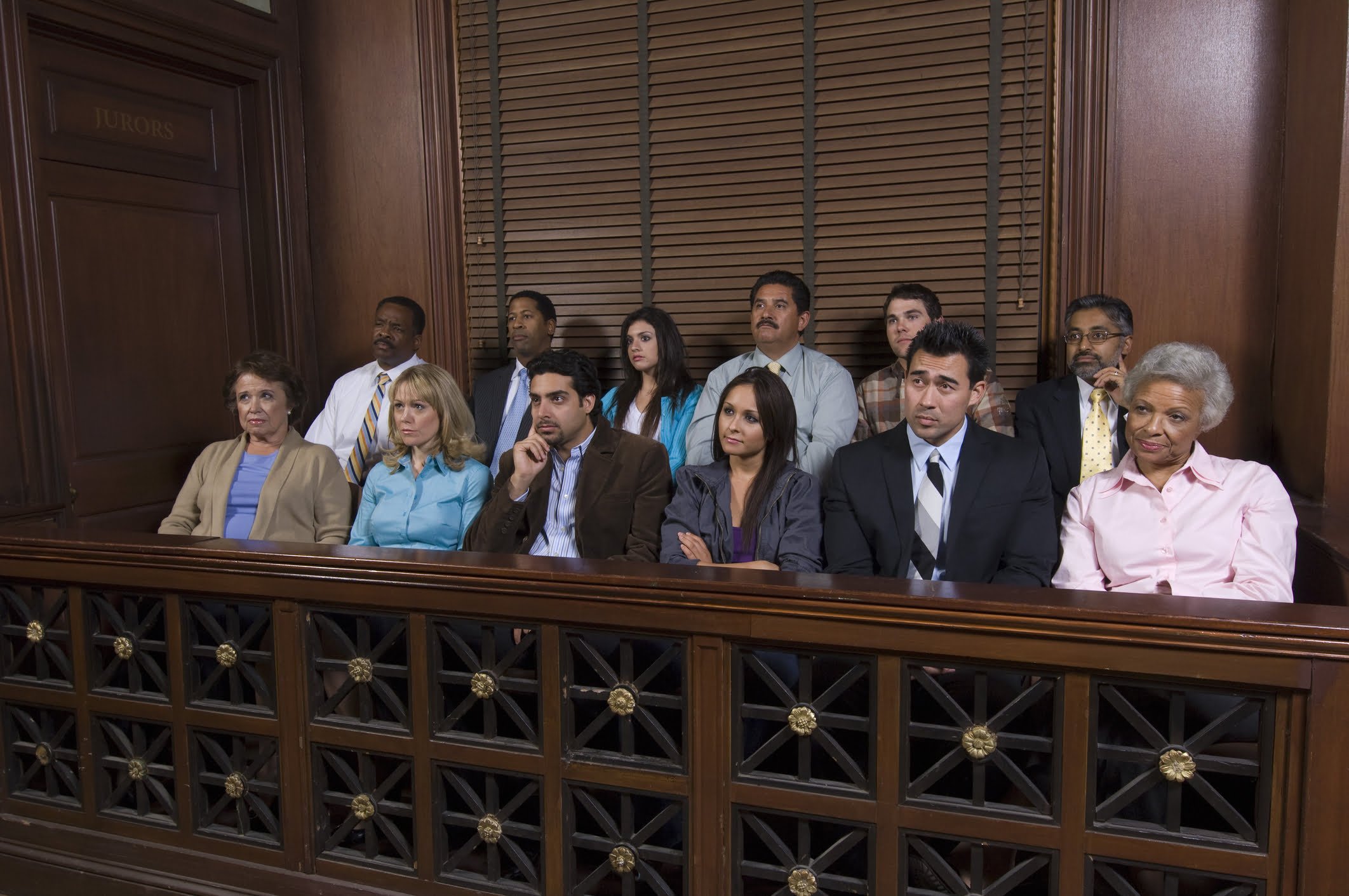
Jury selection is the last point where a defense attorney can shape the composition of the group that decides their client's fate. What top attorneys look for:
The Defense Diaries podcast (hosted by attorney Bob Motta) has documented jury selection strategy across high-profile cases including complex multiple-defendant cases, showing how pre-trial work shapes post-trial outcomes.
A courtroom isn't just the forum for the current verdict — it's the foundation for appeal. Top defense attorneys make objections even when they know they'll be overruled, because:
This long-view approach to courtroom protection — defending not just today's verdict but the client's future options — is what distinguishes elite criminal defense attorneys from average ones.
For a broader perspective on how public perception of these trials evolves through media coverage, read our piece on how podcasts are changing criminal case perceptions.
Understanding these principles doesn't make you your own attorney. It does make you a more informed participant in your own defense. The most consistent advice from every corner of the criminal defense bar: retain counsel as early as possible, say nothing without counsel present, and understand that the courtroom battle is won in preparation, not performance.